Level8 vs Tumi: Checked for People Who Fly Every Week
The shortlist, in one line
Tumi wins for weekly international flyers, according to owner reviews, because its complaint data skips the zipper and durability clusters that show up across Level8's reviews, buying a lower failure rate for around $595. Level8, at roughly $180, is the better pick for domestic weekly flyers, per reviewers, who praise its wheels and interior layout but repeatedly flag zipper pulls separating from the slider and oversize dimensions risking gate-checking.
Why put these two side by side at all
Tumi and Level8 don't sell to the same shopper, and that's the point. One is a ~$500+ brand with three decades of airport-lounge equity. The other is a five-year-old Amazon-native brand betting that most of what you're paying for on the market's priciest shelf is logo, not structure. The ranking here comes from reading and tagging owner reviews for both brands and comparing them against manufacturer spec sheets for the closest matching carry-ons, with no physical testing involved. The aim is to see where the aggregate complaint data and the published specs line up, and where they don't.
This is not a lab comparison. The ranking here comes from reading and tagging owner reviews, sorted by how often each issue comes up and how often it's severe enough that the reviewer says they returned the bag or wouldn't buy again. There is no physical testing behind these numbers.
The spec sheet
| Level8 Carry-On | Tumi 22" carry-on (comparable) | |
|---|---|---|
| Dimensions | 22 x 14.5 x 10 in | 22 x 14 x 9 in |
| Weight | ~7.5 lbs | ~9.9 lbs |
| Shell material | Polycarbonate | Polycarbonate/ballistic nylon (line-dependent) |
| Price | ~$180 | ~$595 |
| Warranty | Limited, multi-year | 5-year limited |
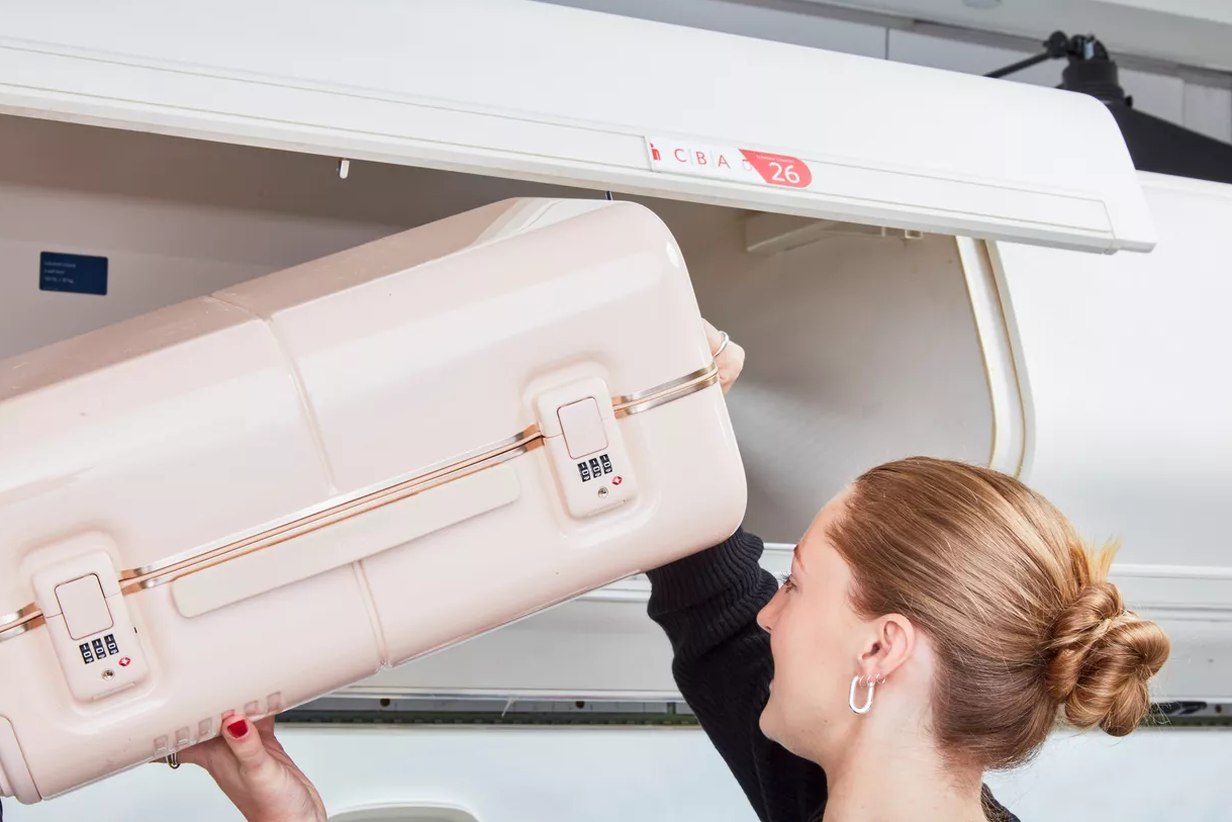
All figures above are manufacturer-published, not independently measured. Worth flagging up front: the dimensions Level8 itself publishes (22 x 14.5 x 10) run larger at two of three points than the 22 x 14 x 9 ceiling that most major US carriers hold sizers to. Several owners in our review set got pulled aside and either gate-checked or charged for it. That's not a rounding error, it's a half-inch on width and a full inch on depth, and enough complaints mention it that we treat it as a real risk rather than an outlier.
Where the complaints cluster
Tumi's owner complaints, by share of mentions, run price_value first, then capacity, then weight. Nobody's saying the bags fall apart. The recurring theme is that a ~$595 carry-on feels heavy for its size and doesn't hold as much as buyers expect given the price — one reviewer flagged the interior organizer panels as space-eating rather than space-saving. That's a value complaint, not a durability one.
Level8's complaint profile looks different. Zipper issues and durability show up far more often, and size compliance is its own recurring cluster. With the Business Backpack, every time reviewers mention the zipper, it turns into a dealbreaker for half of them, putting zipper trouble at a 50% dealbreaker rate. On the Checked Trunk 28", we found multiple accounts of zipper pulls breaking off after just two uses, sometimes forcing the owner to drag the slider along using just their fingertips to get the bag open.
For wheels, Level8 beats out nearly everyone in this segment, including Tumi. Samsonite and Delsey both carry heavy wheel-complaint volumes in their review sets (318 and 125 mentions respectively); Level8's wheel mentions are overwhelmingly positive, with reviewers specifically noting how smoothly they roll over pavement cracks and through subway stations. Tumi doesn't have a wheel problem either, for what it's worth — its complaints just sit elsewhere.
What owners report about the zipper pull
The zipper pull is the Level8 part owners most often describe failing. In the reviews, the pull separates from the slider, and owners are left working the zipper by gripping the metal tab directly, which is slower and eventually chews at the fabric around it.
The telescoping handle on the carry-on locks at height with a light click and doesn't wobble side to side when you push the bag one-handed, which matches the wheel story: Level8's chassis engineering is ahead of its zipper hardware. One reviewer pointed out that the carry-on skips a bottom handle for grabbing it — not a dealbreaker by itself, but the kind of small omission that shows up when you're comparing against a ~$500+ competitor.
The wheel and handle notes above on Tumi come from spec sheets and the aggregate review data alone.
Capacity and how it's organized inside
This is the category where Level8 owners consistently rate the bag above what they expected. Multiple reviewers compare the interior layout favorably to older Samsonite pieces they'd previously owned, citing more dedicated spots to separately pack shoes, toiletries, and electronics. On the Grace and Elegance lines, front-opening laptop compartments were called out as well-padded, with enough room to fit a hefty 16-inch laptop and still leave space for a full set of camera lenses and accessories.
Tumi's capacity complaints run the opposite direction, not that the bag is poorly organized, but that between the compression panels and structured dividers, usable volume is smaller than the exterior dimensions suggest. It's a livable tradeoff for buyers who want their gear compartmentalized. It's a genuine gripe for anyone packing to the limit every trip.
What each pricing tier really gets you
Tumi's list price for a comparable carry-on runs around $595. Level8's sits around $180. That gap isn't small at all, it's more than triple. At that spread, the question isn't "which is better" in the abstract, it's what failure rate you're willing to tolerate for the savings.
Briggs & Riley, sitting in between at a similar price tier to Tumi, draws its own price complaints, reviewers there specifically flag flimsy seam reinforcement for the money, which suggests the premium segment isn't automatically immune to quality gripes either. Level8 undercuts Briggs & Riley on price and, per the aggregate data, on front-opening compartment satisfaction too.
Where Level8 actually lands on our list
For this comparison, Level8 sits at #3, behind Tumi and behind the Away/Samsonite tier that we treat as the safer overall pick for most travelers. It earns a specific-use recommendation rather than a blanket one: best front-opening layout for what it costs, and the clear value pick if your main use case is domestic trips where a half-inch of oversize risk isn't a dealbreaker. It is not the case we'd hand someone flying internationally on tight connections where a gate agent might actually pull out a sizer.
Which one to actually buy
If you're the traveler flying every week domestically, checking a bag occasionally and carrying on the rest of the time, the Level8 carry-on's interior layout and wheel performance are legitimately better than what you'd get from Samsonite or Delsey at a similar or higher price, and it's a fraction of Tumi's cost. Watch the zipper pull, and measure your actual carry-on against the 22 x 14 x 9 limit before you rely on it for a tight connection through a Delta or American gate.
If you're flying internationally with status on the line, or you've already been burned by a mid-tier zipper failure once and have zero interest in repeating that experience, Tumi's price buys you out of that specific risk category, its complaint data simply doesn't include the zipper and durability clusters that show up across Level8, Travelpro, and Delsey. You're not buying more capacity or a lighter bag. You're buying a lower failure rate, and paying for it directly.
The return window question comes up a lot for buyers considering Level8: Amazon's standard 30-day window applies, and the review set includes at least one owner who returned a Checked Trunk 28" after it arrived with scratches out of the box, without describing friction in getting it processed. That's a data point, not a guarantee.